Quarry operators turn to tracked mobile crushers to shorten haul distances
Moving the crusher to the face instead of trucking rock to a fixed plant is saving fuel, tyres, and trucks at mid-size aggregate sites.
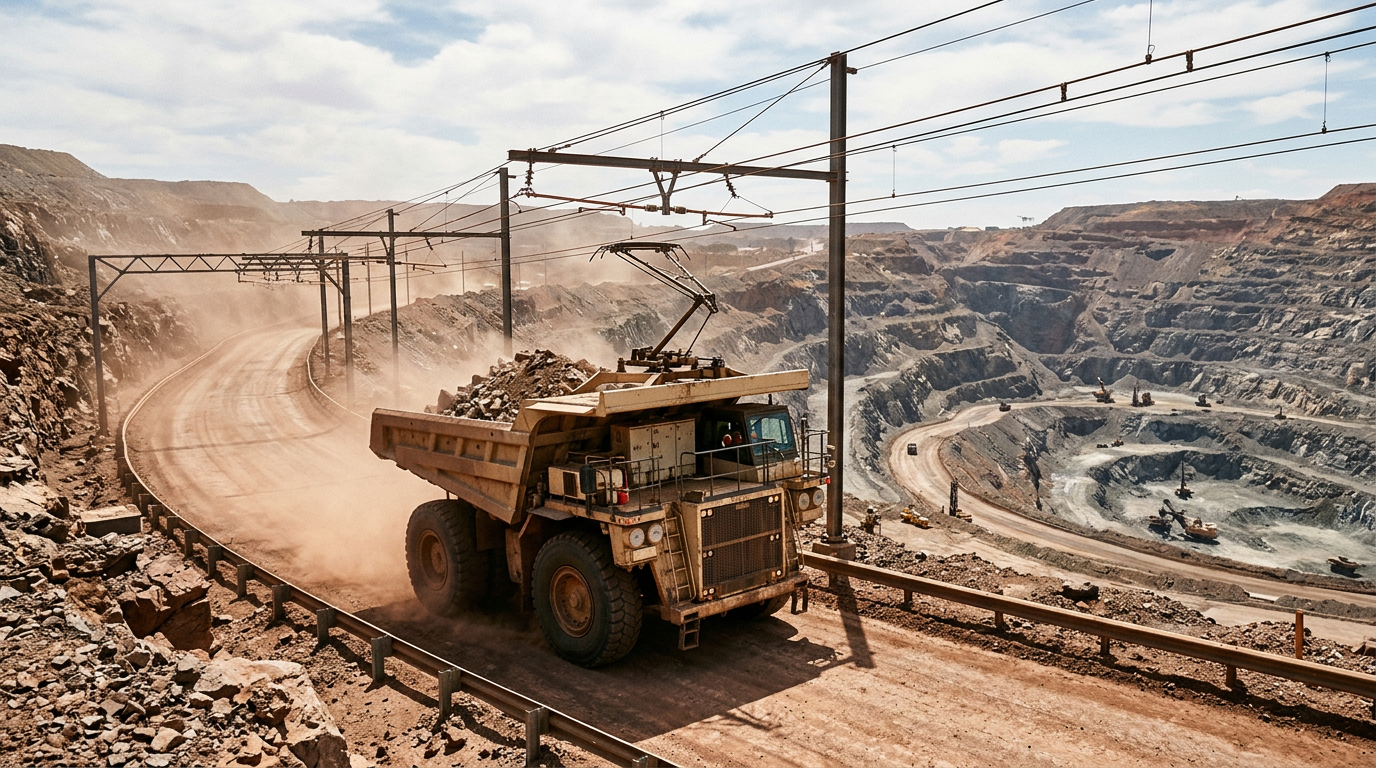
At many aggregate quarries, the most expensive part of producing a tonne of stone is not blasting it or crushing it, but driving it. As working faces move farther from fixed crushing plants, haul distances grow, and so does the fleet needed to keep the plant fed.
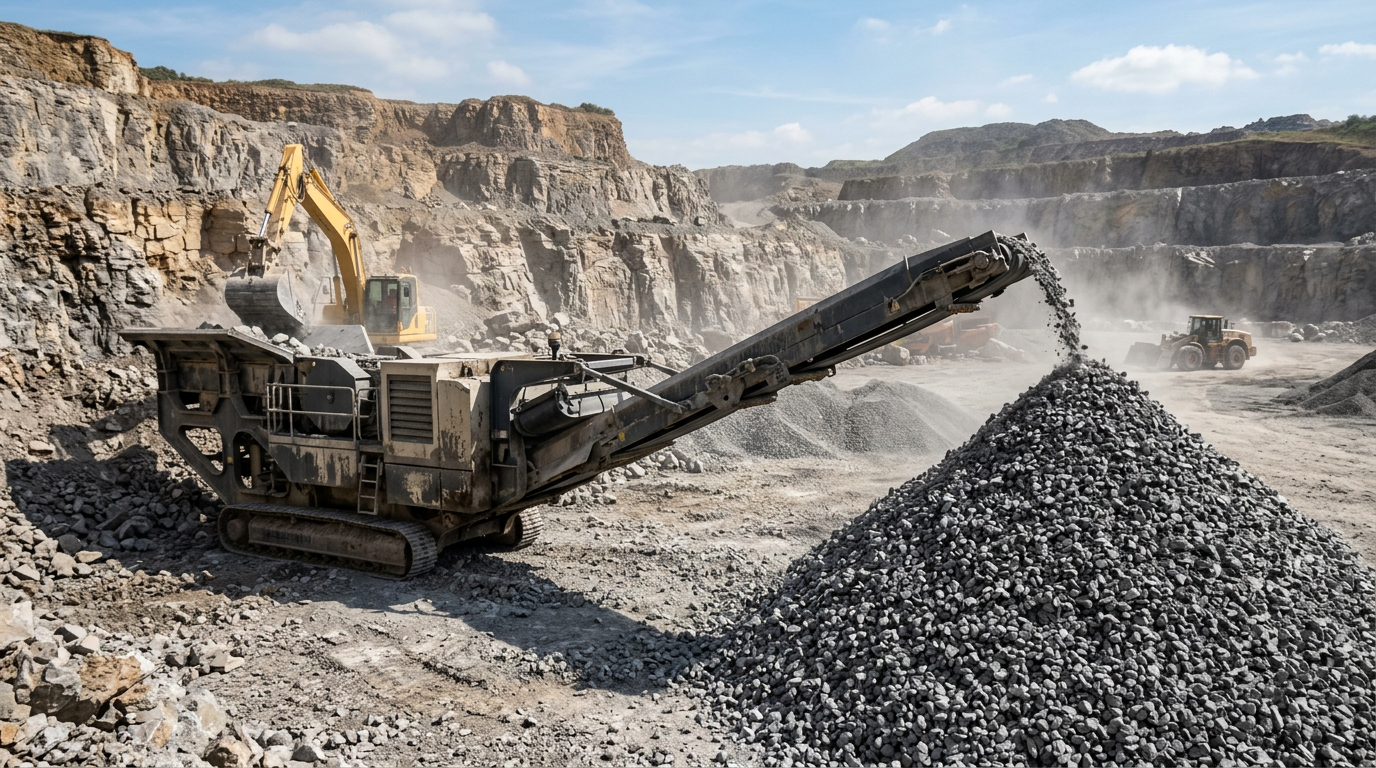
A growing number of mid-size operators are responding by putting a tracked jaw crusher at the face and conveying reduced material back to the plant. Dealers in the UK and US report rising demand for machines in the 100 to 130-tonne range that can walk between benches without dismantling.
Fewer trucks, same output
One limestone operator in Ohio told News Equipment that moving primary crushing to the face let it retire three of its seven rigid haul trucks, cutting fuel and tyre spend by roughly a third while holding output steady.
The trade-off is planning. A mobile crusher has to be repositioned as the face advances, and conveyors need to be extended or rerouted. Operators say that work is predictable and easier to schedule than hiring drivers for a larger truck fleet.
- Crushing
- Aggregates
- Quarrying