Ports trade diesel reach stackers for hybrids that recover energy on every lower
Lowering a 40-tonne container generates power, and the new generation of reach stackers stores it for the next lift.
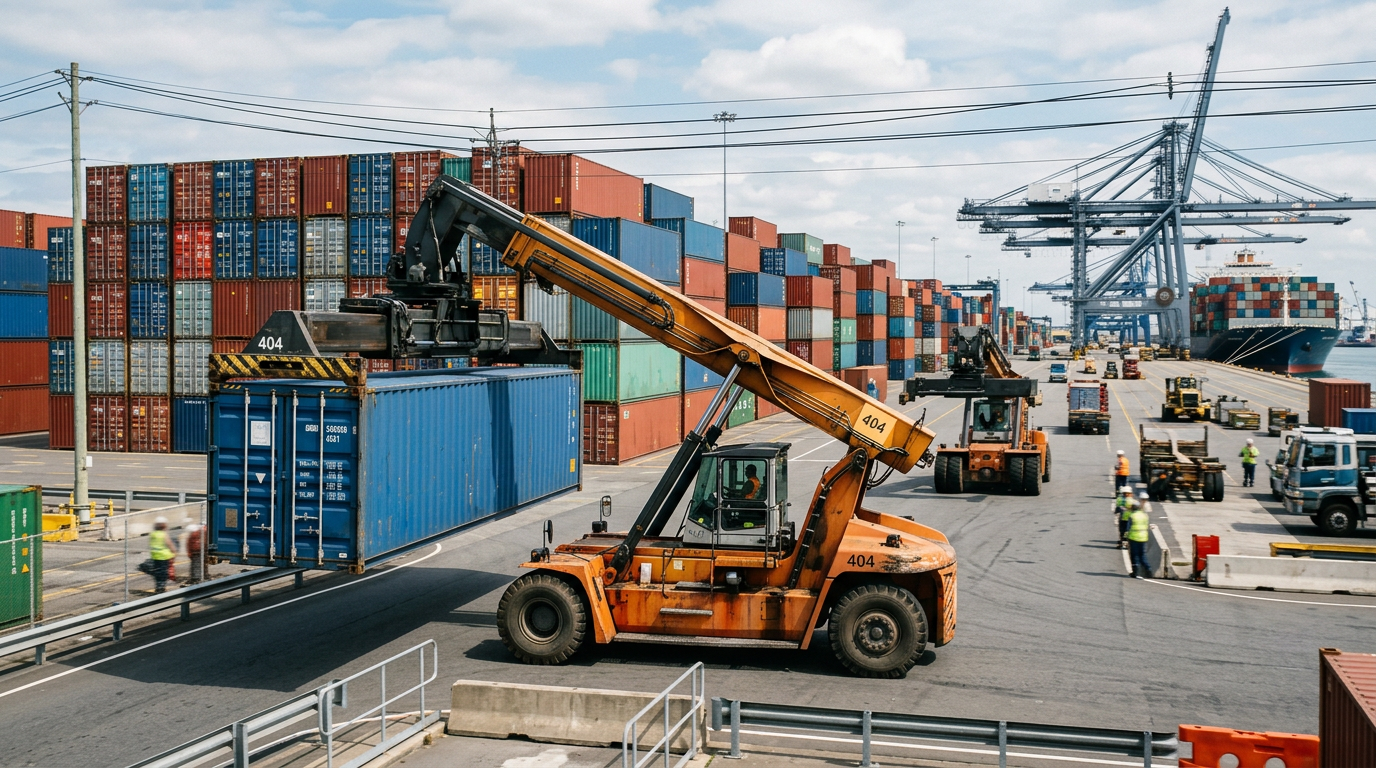
Reach stackers spend their day lifting and lowering heavy containers. On a conventional diesel machine, the energy released when a container comes down is lost as heat in the hydraulic system.
Kestrel's RS45H stores that energy in an ultracapacitor bank and uses it to help with the next lift. A smaller diesel engine covers the average load while the capacitors handle the peaks. Kestrel claims fuel savings of up to 35% in typical terminal cycles.
Why not fully electric?
Fully electric reach stackers exist, but terminals need charging infrastructure and have to manage machine rotation around charge times. For many mid-size ports, a hybrid is a way to cut fuel and emissions now without rebuilding the yard's power supply.
The machine is also noticeably quieter, which matters for terminals close to residential areas.
- Ports
- Hybrid
- Reach stackers